

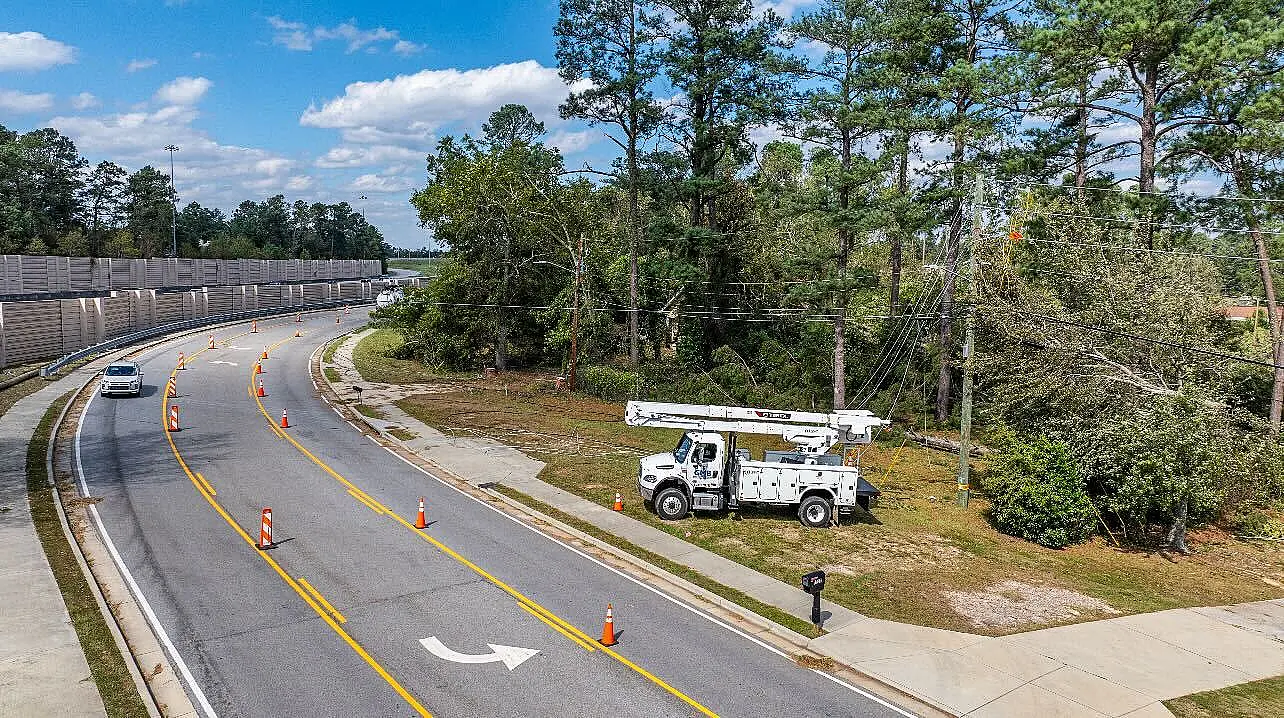
When major storms strike, utilities face an enormous challenge: restoring power safely and quickly while keeping customers informed during moments of uncertainty. In recent years, drones have emerged as one of the most impactful tools in modern storm response—not only improving operational efficiency, but also reshaping how utilities communicate, build trust, and protect their reputation.
What was once viewed as emerging technology is now a critical asset in both emergency response and public engagement.
The Storm Response Challenge Utilities Face
Severe weather events—hurricanes, ice storms, wildfires, floods, and high-wind events—can damage infrastructure across vast and often inaccessible areas. Traditional damage assessments rely on field crews navigating dangerous conditions, blocked roads, and limited visibility. This slows restoration timelines and creates information gaps that frustrate customers and stakeholders.
At the same time, expectations have changed. Customers want timely updates, transparency, and proof that progress is being made—even when restoration takes time.
This is where drone technology changes the equation.
Faster, Safer Damage Assessments
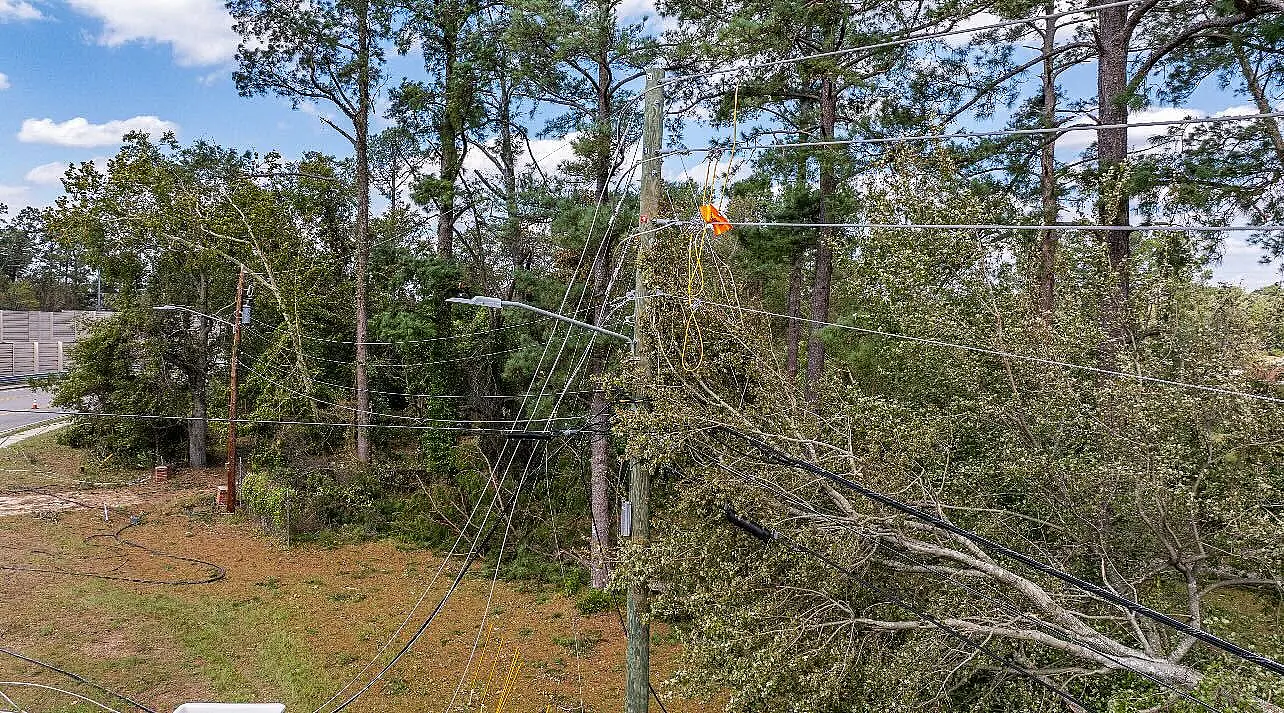
Drones provide utilities with immediate aerial visibility following a major storm. Within minutes, operators can safely assess:
- Downed power lines and damaged poles
- Flooded substations or rights-of-way
- Vegetation encroachment and debris
- Areas inaccessible by truck or foot
By reducing the need for manual patrols in hazardous environments, drones help keep crews safe while accelerating the identification of critical issues. Faster assessments mean better prioritization, fewer unnecessary truck rolls, and quicker restoration decisions.
Turning Operational Insight into Clear Communication
One of the most overlooked benefits of drones is their role in customer and stakeholder communication.
Drone imagery and data allow utilities to move beyond generic outage messages and provide meaningful context. Instead of saying “crews are assessing damage,†utilities can show:
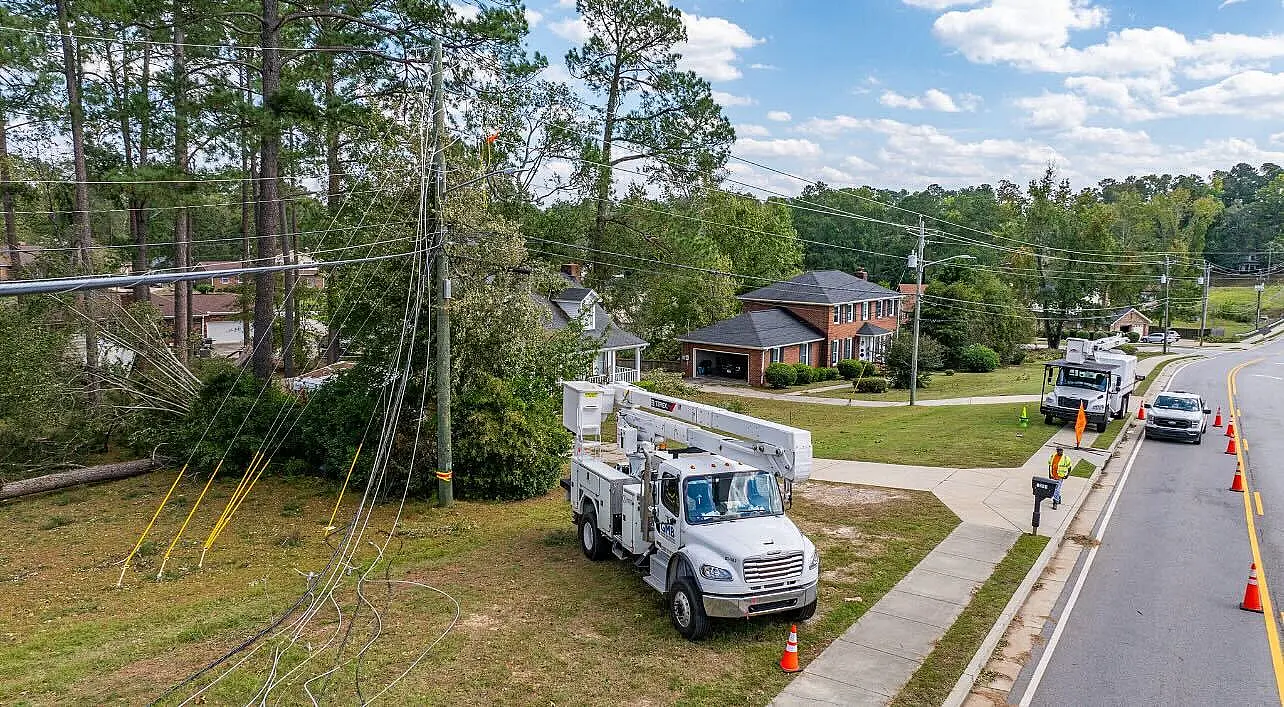
- The scale and complexity of storm damage
- Why certain areas require more time to restore
- How crews are being deployed across the system
When customers understand why restoration takes time, frustration decreases and confidence increases.
Drones as a Marketing and Trust-Building Tool
Storm response is one of the most visible moments for a utility brand. Every outage update, media interview, and public statement shapes how the organization is perceived long after the storm has passed.
Used responsibly, drone visuals can support:
- Emergency and outage communications
- Media briefings and public information requests
- Social and digital channels highlighting restoration efforts
- Post-storm reports and regulatory documentation
This isn’t about promotion—it’s about transparency. Showing real progress, real challenges, and real people at work reinforces credibility and positions the utility as prepared, modern, and accountable.
Enhancing Safety Through Technology
Safety remains the top priority during storm response. Drones allow utilities to document dangerous conditions without exposing crews to unnecessary risk, such as unstable structures, floodwaters, or energized equipment.
That safety-first approach resonates beyond internal teams. Regulators, municipalities, and emergency management agencies increasingly recognize drone programs as a best practice for modern utilities.
Preparing for the Future of Extreme Weather
As extreme weather events become more frequent and severe, utilities must adapt. Drone programs offer a scalable, cost-effective way to enhance resilience—not only by improving restoration outcomes, but by strengthening relationships with the communities utilities serve.
The utilities that stand out during crises aren’t just the fastest to restore power. They’re the ones that communicate clearly, act transparently, and leverage technology to serve customers better when it matters most.
Final Thoughts
Drones are no longer just a tool for inspection or data collection. During major storms and widespread outages, they play a critical role in response, communication, and public trust.
In moments of disruption, how a utility responds becomes its story. Drones help ensure that story is one of preparedness, safety, and accountability.