

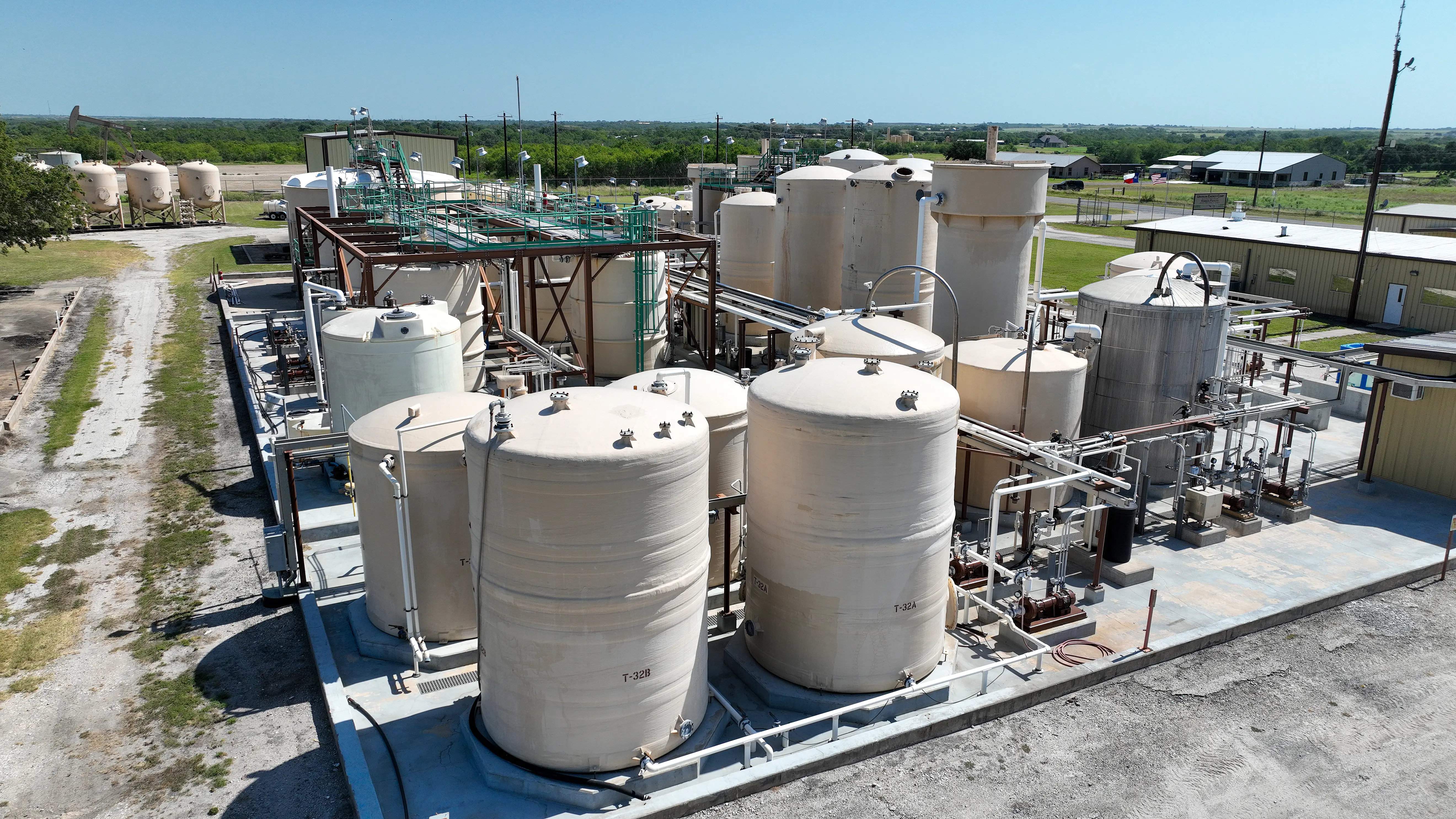
Drone-based aerial gas leak detection is rapidly becoming a critical tool for methane emissions monitoring, pipeline integrity management, and industrial safety. By integrating advanced gas sensors with uncrewed aerial systems (UAS), operators can detect, localize, and quantify gas leaks faster and more safely than traditional ground-based inspection methods.
As regulatory pressure and ESG requirements increase, aerial gas detection using drones offers a scalable, data-driven solution for proactive leak detection and emissions reduction.
What Is Drone-Based Aerial Gas Leak Detection?
Aerial gas leak detection uses sensor-equipped drones to identify fugitive gas emissions—such as methane and other hydrocarbons—from pipelines, facilities, and energy infrastructure. These systems measure gas concentration levels in real time while recording precise GPS coordinates, enabling accurate leak localization.
Typical payloads include:
- Laser-based or spectroscopic methane sensors
- Electrochemical or infrared gas detectors
- High-resolution RGB and thermal cameras
- GNSS and inertial navigation systems
The resulting data is processed into geospatial maps and inspection reports that support compliance, maintenance planning, and repair verification.
Technical Advantages of Using Drones for Gas Leak Detection
1. High-Resolution, Geo-Referenced Data
Drone inspections produce repeatable, geo-referenced datasets, allowing operators to:
- Track leak progression over time
- Validate repair effectiveness
- Integrate results into GIS and asset management systems
2. Rapid Area Coverage and Operational Efficiency
Drones can survey miles of pipeline or large industrial sites in a single flight, significantly reducing inspection time compared to walking surveys or vehicle-based methods.
This enables:
- More frequent inspections
- Faster leak identification
- Reduced downtime and operational disruption
3. Enhanced Safety and Risk Reduction
By removing personnel from hazardous environments, aerial gas detection minimizes exposure to:
- Explosive atmospheres
- Confined or elevated areas
- Remote or difficult terrain
This improves overall safety performance while maintaining inspection quality.
4. Improved Methane Emissions Detection and Compliance
Methane is a potent greenhouse gas, and early detection is essential for emissions reduction. Drone-based systems support:
- Regulatory compliance
- ESG reporting and sustainability goals
- Leak Detection and Repair (LDAR) programs
5. Cost-Effective Alternative to Traditional Inspections
Compared to manned aircraft, continuous ground patrols, or manual inspections, drone-based gas detection reduces:
- Labor costs
- Equipment requirements
- Inspection cycle times
This delivers a lower cost per inspection without sacrificing accuracy.
Applications Across Energy and Industrial Sectors
Aerial gas leak detection using drones is widely applied in:
- Oil and gas pipelines (upstream, midstream, downstream)
- Compressor stations and processing facilities
- Refineries and petrochemical plants
- Landfills and biogas operations
- Utilities and municipal gas networks
How Drone Gas Detection Supports Proactive Asset Management
By identifying leaks early, operators can transition from reactive maintenance to predictive and preventative strategies. High-frequency drone inspections enable faster response times, reduced emissions, and extended asset life.
When integrated with digital inspection workflows, drone-based gas detection becomes a core component of modern infrastructure monitoring programs.
Conclusion
Drone-based aerial gas leak detection delivers a safer, faster, and more accurate approach to methane and hydrocarbon monitoring. With advanced sensors, precise geolocation, and scalable deployment, drones are redefining how organizations manage emissions, protect assets, and meet regulatory requirements.
As technology continues to advance, aerial gas detection will remain a key solution for efficient, data-driven leak detection and environmental stewardship.